
I am a Licensed Professional Counselor providing in-person therapy in Birmingham and telehealth services throughout the state of Alabama. I hold a Master’s degree in Clinical Mental Health Counseling from the University of West Alabama and bring a diverse background in helping professions, including work in anti-human trafficking initiatives and youth and college ministry.
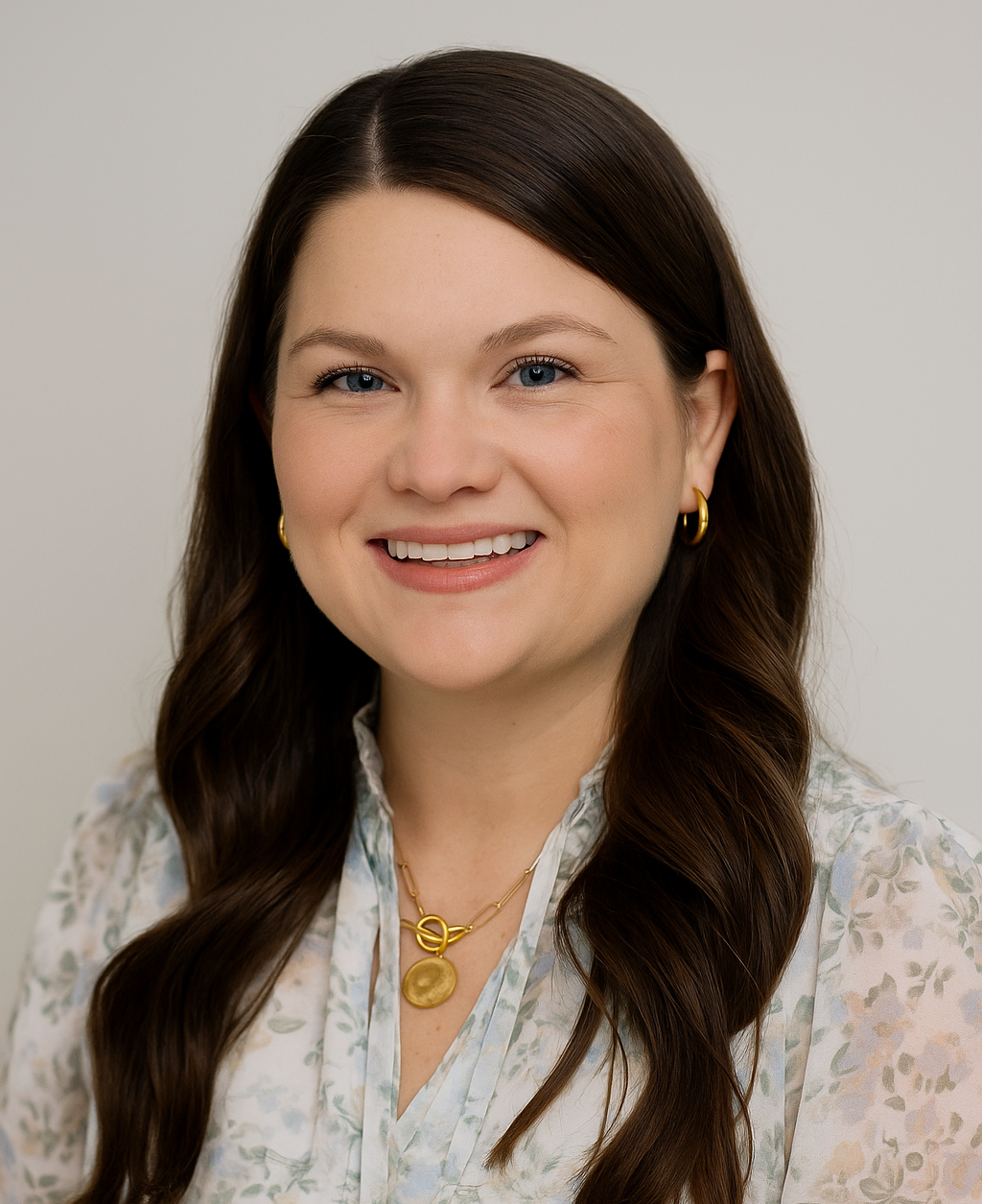

I consider it an honor to walk alongside each of my clients as they pursue healing, growth, and self-understanding.
At the heart of my counseling philosophy is a balance between empathy and challenge. I approach each client with deep compassion, recognizing that every emotion is valid. At the same time, I believe that not all feelings lead to a fulfilling life without intentional reflection and growth.
Since entering the counseling field, I’ve had the privilege of working with a wide range of clients in various settings, including addiction rehabilitation centers, community mental health agencies, and private practice. These experiences have shaped a flexible, compassionate, and trauma-informed approach to care.
I am a Certified Brainspotting Therapist, trained in this powerful modality that helps individuals access and release emotional blockages held in the brain and body—often key in resolving trauma. I am also trained in Exposure and Response Prevention (ERP) and Inference-Based Cognitive Behavioral Therapy (I-CBT), both modalities used to treat OCD. I often integrate these evidence-based methods to support meaningful and lasting change in my clients' lives.
At the core of my practice is a deep belief in the intrinsic value of every person. I strive to offer a welcoming, nonjudgmental space where clients feel safe to be seen and supported. My approach is also informed by my own lived experiences—including navigating depression, anxiety, ADHD, and the challenges of growing up in a divorced family—as well as the ongoing journey of marriage and motherhood.
I do not believe in a one-size-fits-all approach to therapy. Instead, I tailor my methods to meet you exactly where you are on your journey. This integrative approach allows me to provide comprehensive, personalized care that addresses a wide range of emotional and psychological concerns.
Each client’s path is different, and my goal is to ensure that your treatment reflects your individual needs and goals. Continue scrolling to learn more about the therapeutic methods I use.
I believe that psychoeducation plays a vital role in the success of therapy. That’s why I make it a priority to clearly explain the methods and strategies I use—so you understand not just what we're doing in therapy, but why we’re doing it.
Many of the symptoms people experience—such as intrusive thoughts, emotional overwhelm, anxiety, chronic fatigue, hyperfixation, overthinking, and compulsive behaviors—can stem from a dysregulated or “hijacked” nervous system. This simply means that the brain's emotional center becomes overactivated, reducing access to the logical, decision-making part of the brain. You may recognize this as the "fight-or-flight" response.
There are many reasons this dysregulation can occur: chronic stress, trauma, mental health conditions such as OCD/Anxiety, or simply not having learned how to process emotions in a healthy way. The encouraging news is that the nervous system can be retrained. With the right tools and support, it’s possible to restore balance—so your body and mind can respond appropriately to stress, rather than reacting out of survival mode.
My ultimate goal in every session is to help you leave feeling more regulated—because I believe that a regulated nervous system is the foundation for lasting change.
Below, I outline the specific approaches I use to help clients move toward that goal.


Brainspotting is a brain-based therapeutic approach designed to help rewire the nervous system by accessing, processing, and releasing deeply held emotional and physical pain. It uses specific eye positions—called “brainspots”—to access areas of the brain associated with emotion, memory, and survival responses. These are often the regions that become “stuck,” contributing to distressing symptoms.While traditional talk therapy engages the conscious, cognitive brain, Brainspotting allows us to reach deeper, less conscious areas where emotional and physiological responses are stored. Though Brainspotting is a trauma-focused modality, I help clients understand that it can be highly effective even for those who don’t identify with having experienced trauma. It can be used to treat a wide range of concerns, including anxiety, depression, fears, even negative self-beliefs, and more.

Inference-Based Cognitive Behavioral Therapy (I-CBT) is a form of Cognitive Behavioral Therapy (CBT). CBT principles help identify unhelpful thought patterns and develop strategies to shift them. The goal is to promote mental flexibility and support healthier, more adaptive ways of thinking. Over time, this can lead to a more balanced and fulfilling life. I-CBT specifically is a treatment for OCD that focuses on inferential confusion, a pattern of reasoning in which imagined possibilities can begin to feel like facts. Therapy helps clients distinguish between what their minds are imagining and what is actually happening in the present.

ERP is widely considered the gold standard treatment for Obsessive-Compulsive Disorder (OCD) and other anxiety-related disorders. Before beginning ERP, I provide thorough psychoeducation to ensure you feel informed and supported throughout the process. ERP involves gradually exposing you to anxiety triggers while helping you resist the compulsive or avoidant behaviors that have become coping mechanisms. Over time, your nervous system learns that the original trigger is not dangerous, reducing the intensity of your anxiety response. For clients who have engaged in compulsive or avoidant patterns over a long period, ERP can feel overwhelming at first. In these cases, I often begin with Brainspotting to address underlying emotional triggers and build the emotional resilience needed for ERP to be most effective.

For clients who desire it, I offer the option to integrate faith-based principles into our therapeutic work. The level of spiritual integration is entirely up to you and will always be tailored to your preferences and comfort. Faith-based therapy can offer additional meaning, strength, and hope for clients who wish to incorporate their beliefs into the healing process.
When you schedule your first appointment, you will receive a full Practice Policies and Informed Consent document to review and sign. Below are a few key highlights to be aware of:


